Europe
- Home
-
Countries -
Europe
Europe
Study in Europe
Experience Europe’s world-class education system and its expansive offering of bachelor’s and master’s courses, doctoral study programmes and more.
Explore Europe’s diverse languages and cultures in a welcoming, social environment. Gain international experience, skills and knowledge highly valued by employers. Benefit from excellent future employment and research opportunities in Europe and beyond.

Europe
Germany
Hungary
Turkey
North Cyprus

Germany
People everywhere recognise “Made in Germany” as a seal of quality. You can benefit from Germany‘s long and famous university tradition, especially in the fields of engineering and science. A German university degree is highly respected by employers around the world.
There are almost 450 state-accredited universities with some 17,500 degree programmes in Germany. German universities offer degree programmes in every possible subject and academic level – be it Bachelor’s, Master’s, state examinations or doctoral degrees. General universities focus strongly on scientifically-oriented study in a wide range of disciplines.
Universities of applied science, on the other hand, are very practice-oriented. If you’re more interested in artistic subjects, you can enrol at a college of art, film or music.
More and more courses and degree programmes are being offered in English, especially at Master’s degree level. This is good news if you don’t know any German or if your German isn’t good enough yet.
Hungary
Hungarian higher education has represented academic excellence for more than 600 years. There are 68 higher education institutions in Hungary, ranging from top research universities to small, specialised colleges.
Hungary joined the Bologna process in 1999. The Hungarian Act on Higher Education was inspired by the objectives of the Bologna process and all main fields of study have been restructured in accordance with the new, three cycles degree system to help prepare students for the labour market and for lifelong learning.
Many universities are situated in Budapest, which is the capital of Hungary and the country’s main political, cultural, commercial, industrial and transportation centre. Half of Hungary’s university students study in the capital, and the majority of professors work here, too. The proportion of researchers working in the city is even higher.
There are many well-known universities in cities outside Budapest too; Debrecen is home to the University of Debrecen, whose main building is a widely recognised work of architecture. The university has many departments and is a major research centre in Europe, hosting many international students.
The University of Szeged was founded in 1872 and consists of 12 faculties, where you can study almost everything ranging from humanities to business studies or health sciences.
The University of Pécs is the oldest university in Hungary and ranks among the first European universities. It has 10 faculties and offers a wide range of training programmes covering nearly every possible field of study.
Hungary is one of the 15 most popular tourist destinations in the world, with a capital regarded as one of the most beautiful cities.
Despite its relatively small size, Hungary is home to numerous World Heritage Sites and UNESCO Biosphere Reserves; is famous for its rich cultural tradition and hosts many cultural events and festivals; and is also known for being the country of origin of many Nobel laureates.
The cost of living is relatively low in Hungary and thanks to its location, Hungary is a perfect base if you are looking to explore many countries in Europe!

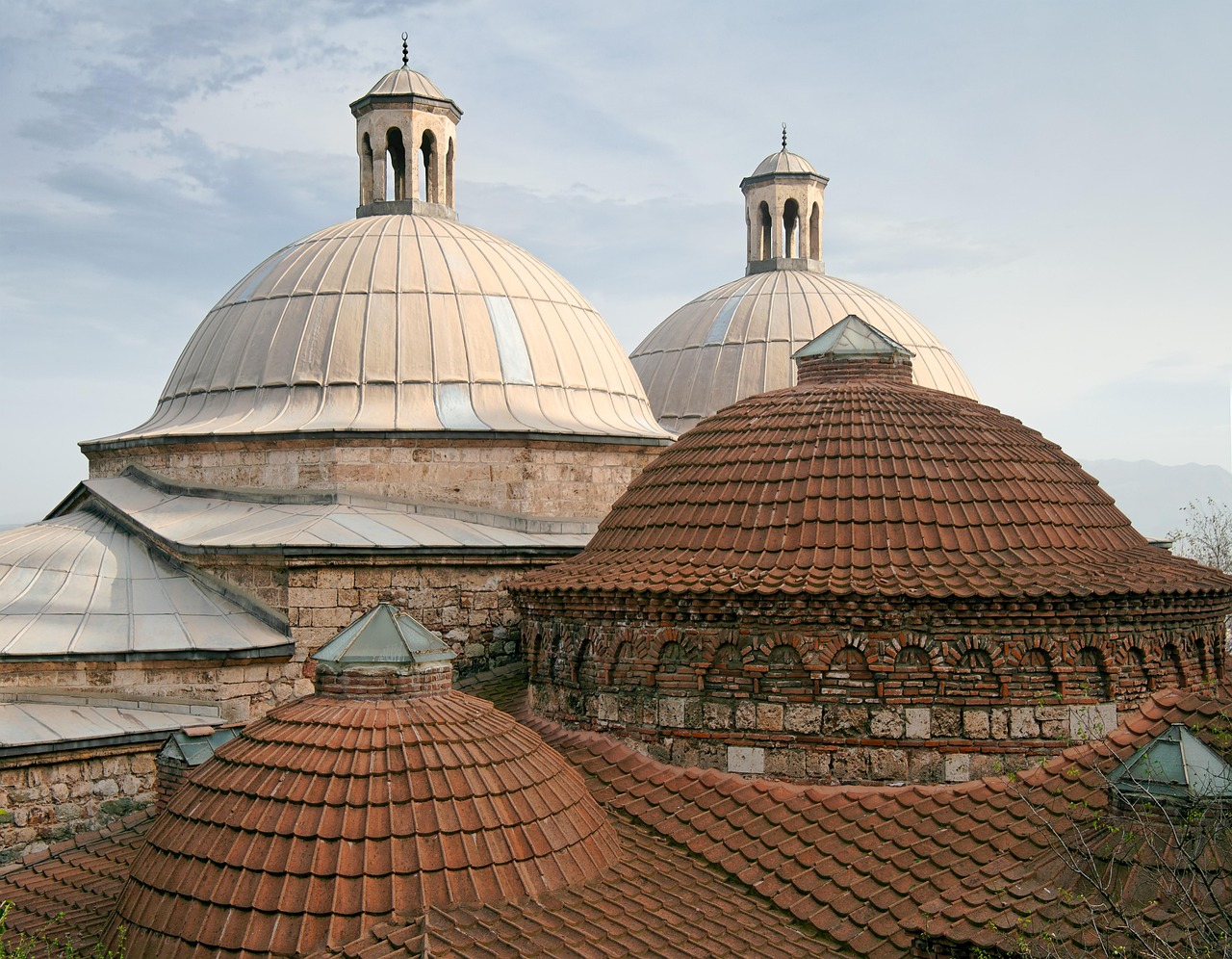
Turkey
Turkey: The bridge to the world!
There are so many reasons to come to Turkey! With a rich cultural history dating back thousands of years, today Turkey is a vibrant country where East meets West.
A world of scholarship opportunities
There are a wide variety of scholarship opportunities in Turkey. Every year, nearly 5000 international students are supported by the Turkish government’s ‘Türkiye Scholarships’, which includes the tuition fee, monthly stipend, accommodation, health expenses, transportation and Turkish Language courses.
A place for living
Turkey offers a variety of cultural experiences to international students. Bringing together different cultures, religions, people, lifestyles and cuisines, Turkey is an exciting melting pot, where Eastern and Western cultures mix together.
Cost of living and study
Turkey offers significantly lower annual tuition fees and much lower living expenses than many other leading study destinations. According to the Mercer’s 2013 global cost of living rankings, Turkey’s metropolitan cities are amongst the most affordable.
A door to your dream job
One of the main questions you will have at graduation is “What next?”. International students graduating from Turkish universities have many options – including pursuing a graduate degree, returning back home with a widely valued diploma, or developing their career in Turkey or elsewhere.
Quality of education
The Turkish higher education system has developed significantly in the last few decades and offers a high standard of quality.
Turkey is part of the Bologna Process and the European Higher Education Area (EHEA). The EHEA helps ensures that higher education systems across Europe are compatible, with similar high-quality standards.
In The Times Higher Education BRICS & Emerging Economies Rankings 2014, there are 7 Turkish universities in the top 100 university list – of which three are in the top 10.
In the QS world university rankings, 9 Turkish universities ranked among the top 800, and 19 Turkish universities were among the top 1,000 METU Informatics Institute world university rankings.
North Cyprus
Cyprus is the most easterly of the Mediterranean islands and the third largest in the area after Sicily and Sardinia in the Mediterranean. At the nearest coastal points it is 40 miles from Turkey, 60 miles from Syria, and 250 miles from Egypt. Turkish (Türkçe) is the official language of North Cyprus, but English is also widely used and understood.
Quality education at international standards in English. Internationally recognized undergraduate and graduate programs. Education in line with the American Credit System. Qualified faculty members at international standards. On-campus education with a wide range of facilities. Affordable tuition fees and moderate living expenses. Excellent facilities for social, cultural and sports activities. Medical insurance, provided by the government of North Cyprus. Transport, shops and entertainment are close at hand. Accommodation on campus and around the city.